
Anker 737 Power Bank A1289
KSh22,000.0024,000mAh power bank with 140W charging and 2 USB-C and USB-A, suited to portable backup power for phones and USB-C laptops.
A power bank is a portable rechargeable battery used to charge phones, tablets, wireless earbuds, smartwatches and other USB-powered devices when a wall socket is unavailable.
Some high-output power banks can also charge USB-C laptops, handheld gaming devices, cameras and other larger electronics.
Power banks are useful for:
When comparing power banks in Kenya, check:
Capacity alone does not determine how useful a power bank will be. A large battery with slow output may be less suitable than a smaller model with USB-C fast charging.
Power-bank capacity is normally stated in milliamp-hours.
Common capacities include:
A 5,000mAh model is compact and light. It is generally intended for emergency top-ups rather than repeated full charging.
This size may suit users who prioritise portability and need additional power for part of a day.
A 10,000mAh power bank provides a useful balance between size and capacity.
It is commonly suitable for:
The actual number of phone charges depends on the phone battery, power-bank efficiency and how the phone is used while charging.
A 20,000mAh model offers more reserve power and can usually charge a phone several times before the power bank itself must be recharged.
It may be suitable for:
The additional capacity normally increases weight and charging time.
Power banks in this range are often intended for travel, professional use and higher-powered devices.
Some models support outputs of 65W, 100W, 130W or 140W, allowing them to charge compatible USB-C laptops.
For example, the Anker 737 provides a 24,000mAh battery and up to 140W Power Delivery output, while Oraimo’s PowerJet 130 combines a 27,600mAh battery with up to 130W USB-C charging.
Very high-capacity power banks provide longer backup time but are substantially larger and heavier.
They may suit:
These batteries may not meet airline carry-on restrictions. They are better treated as high-capacity portable backup batteries than everyday pocket power banks.
A 10,000mAh power bank does not deliver the full advertised 10,000mAh directly to a phone battery.
The internal battery normally stores energy at a lower voltage, while USB charging requires voltage conversion. Some energy is lost through:
For this reason, an advertised 10,000mAh power bank will not provide two complete charges to every phone with a 5,000mAh battery.
The number of charges advertised by a manufacturer should be treated as an estimate based on specific test conditions.
Power output is measured in watts.
Common power-bank output levels include:
A 10W or 12W model may be sufficient for ordinary charging, but it will be slower than a compatible 20W or 22.5W fast-charging model.
A 30W output can be useful for newer phones, tablets and some compact USB-C devices.
Power banks rated at 65W or more may support compatible laptops. The exact result depends on the laptop’s power requirements and the maximum output available from a single USB-C port.
Do not use the total combined output as the only measure. A power bank advertised at 100W total may provide less power from an individual port when multiple devices are connected.
USB-C power banks may use the USB-C port for:
Do not assume every USB-C port supports output. Some older power banks use USB-C only to recharge the battery.
For faster and more convenient use, look for:
A large power bank that accepts only a low recharge input can take many hours to refill.
Common charging standards include:
To receive the advertised charging speed, the power bank, device and cable must support compatible standards.
A 22.5W power bank may not deliver exactly 22.5W to every connected phone. Some phones may charge at 18W, 15W, 10W or another supported rate.
Similarly, a laptop may require 45W, 65W, 90W, 100W or more. Check the laptop charger rating before choosing a replacement power source.
Models with built-in cables reduce the need to carry separate charging leads.
Possible built-in connectors include:
Built-in cables are convenient for travel and commuting, but their supported charging speed should still be checked.
Also consider whether the power bank can be used normally if the attached cable becomes damaged. A model with additional standard ports may remain usable even if a built-in cable fails.
Oraimo currently offers several Kenyan models with built-in cables, including the Slice Link, Traveler Link 20, PowerNova L11 and Traveler Link 27.
Wireless power banks can charge compatible devices without connecting a cable directly to the phone.
Magnetic models are designed to align with compatible phones or magnetic cases.
When comparing a wireless power bank, check:
Wireless charging is normally less energy-efficient than wired charging. It may also produce more heat and deliver a lower charging rate.
Oraimo’s MagPower 15 combines a 10,000mAh battery with up to 15W wireless charging and is currently listed by Oraimo Kenya at approximately KSh 3,800.
A laptop power bank needs more than a large battery capacity.
Check:
A laptop supplied with a 65W charger may charge from a compatible 65W power bank. However, performance can vary when the laptop is under heavy load.
High-performance laptops that require 100W, 140W or proprietary DC chargers may not work correctly with ordinary phone power banks.
Suitable examples include the Oraimo PowerJet 130, Anker 737 and other high-output models specifically designed for USB-C laptop charging. Oraimo lists the PowerJet 130 at approximately KSh 8,000, while Anker confirms that its 737 supports Power Delivery 3.1 and output of up to 140W.
Airline rules are commonly based on watt-hours rather than milliamp-hours.
The watt-hour rating may be printed on the power bank. Do not calculate airline suitability from the advertised milliamp-hour figure alone unless the battery voltage is also known.
Power banks must generally be carried in cabin baggage rather than checked luggage, but airline and route-specific rules can vary.
Before flying:
A manufacturer describing a model as flight-friendly does not replace checking the airline’s rules.
Choose power banks with verified model numbers and clearly stated electrical ratings.
Important safety features may include protection against:
Avoid products with implausibly high capacities at extremely low prices. Some unverified listings may exaggerate battery capacity, charging output or both.
Stop using a power bank if it:
Do not leave a damaged lithium battery connected to a charger.
| Power bank model | Capacity and output | Approximate price range |
|---|---|---|
| Oraimo PowerFlow B11 | 10,000mAh, 15W | KSh 1,500–KSh 1,800 |
| Oraimo Toast 22.5 Byte | 10,000mAh, 22.5W | KSh 1,600–KSh 2,500 |
| Oraimo Traveler 12 Byte | 20,000mAh, 12W | KSh 1,800–KSh 3,500 |
| Oraimo Slice Link | 10,000mAh, 12W | KSh 1,900–KSh 2,800 |
| Oraimo Traveler Link 20 | 20,000mAh, 12W | KSh 2,700–KSh 6,000 |
| Oraimo PowerNova Q21 | 20,000mAh, 22.5W | KSh 2,800–KSh 3,400 |
| Oraimo PowerNova L11 | 10,000mAh, 22.5W | KSh 2,900–KSh 4,000 |
| Oraimo MagPower 15 | 10,000mAh, 15W wireless | KSh 3,800–KSh 5,000 |
| Oraimo PowerNova QF1 | 27,000mAh, 22.5W | KSh 3,800–KSh 4,500 |
| Oraimo PowerJet 130 | 27,600mAh, 130W | KSh 8,000–KSh 12,000 |
Oraimo Kenya currently lists compact 10,000mAh models from approximately KSh 1,500, including the PowerFlow B11 and PowerFlow L1. Faster 22.5W options such as the Toast 22.5 Byte start at approximately KSh 1,600.
The current 20,000mAh range includes the Traveler 12 Byte at approximately KSh 1,800, Traveler Link 20 at approximately KSh 2,700 and PowerNova Q21 at approximately KSh 2,800. Prices differ according to output, built-in cables and digital-display features.
Wireless and high-capacity models cost more. The 10,000mAh MagPower 15 is currently listed at approximately KSh 3,800, while the 27,000mAh PowerNova QF1 is also around KSh 3,800.
The laptop-capable PowerJet 130 is currently listed at approximately KSh 8,000 against a higher reference price of KSh 12,000. It provides a substantially higher 130W output than ordinary phone power banks.
These prices may change because of promotions, availability, supplier costs and product revisions. Confirm the exact model code, capacity and output before comparing two listings.
Before ordering a power bank, confirm:
Do not select a power bank only by its advertised milliamp-hour figure. A suitable product should combine adequate capacity, compatible fast charging, safe construction and a practical size.
Browse the available power banks above to compare current capacities, charging speeds, built-in cables, wireless options and prices in Kenya.
Showing 1–16 of 20 results
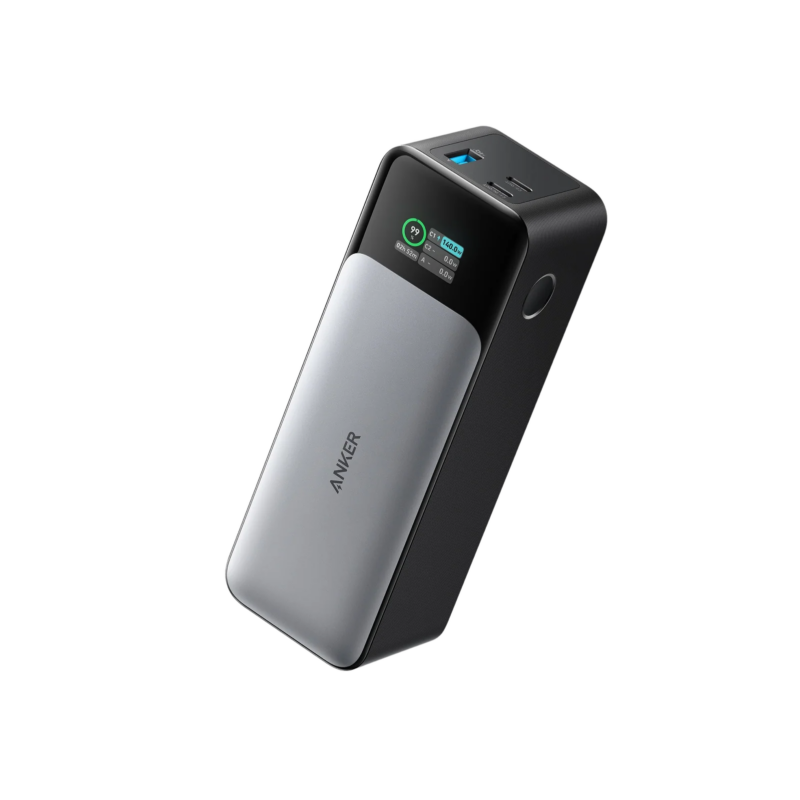
24,000mAh power bank with 140W charging and 2 USB-C and USB-A, suited to portable backup power for phones and USB-C laptops.

20,000mAh power bank with 87W shared / 65W single port charging and Built-in USB-C, USB-C and USB-A, suited to portable backup power for phones and USB-C laptops.
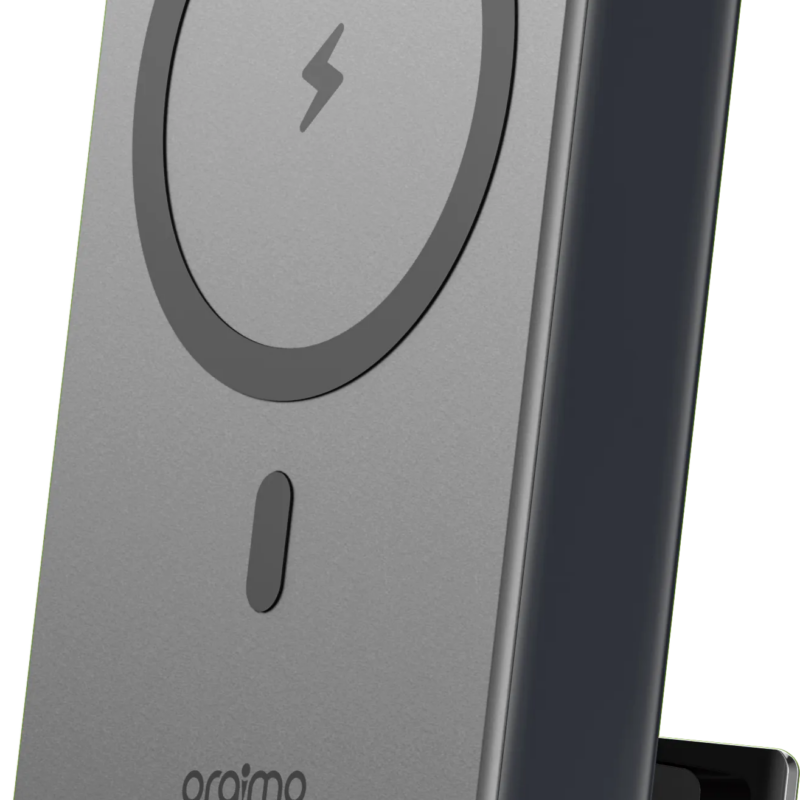
10,000mAh power bank with 15W wireless / 22.5W wired charging and USB-C, USB-A, Qi wireless, suited to portable backup power for phones, tablets and everyday accessories.

40,000mAh power bank with 22.5W charging and USB-C and USB-A, suited to portable backup power for phones, tablets and everyday accessories.

10,000mAh power bank with 15W charging and USB-C and USB-A, suited to portable backup power for phones, tablets and everyday accessories.
10,000mAh power bank with 15W charging and USB-C and USB-A, suited to portable backup power for phones, tablets and everyday accessories.
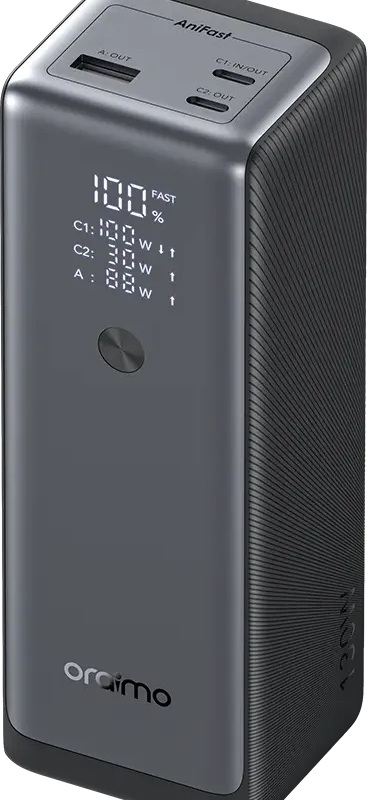
27,600mAh power bank with 130W charging and USB-C and USB-A, suited to portable backup power for phones and USB-C laptops.
20,000mAh power bank with 30W charging and Built-in USB-C, USB-C and USB-A, suited to portable backup power for phones, tablets and everyday accessories.
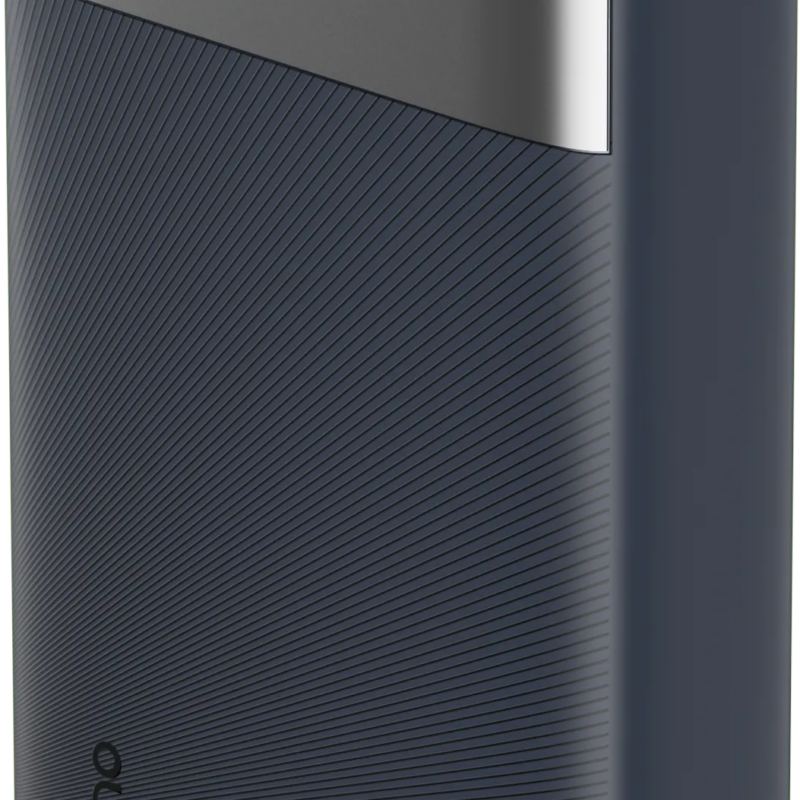
20,000mAh power bank with 22.5W charging and USB-C and USB-A, suited to portable backup power for phones, tablets and everyday accessories.
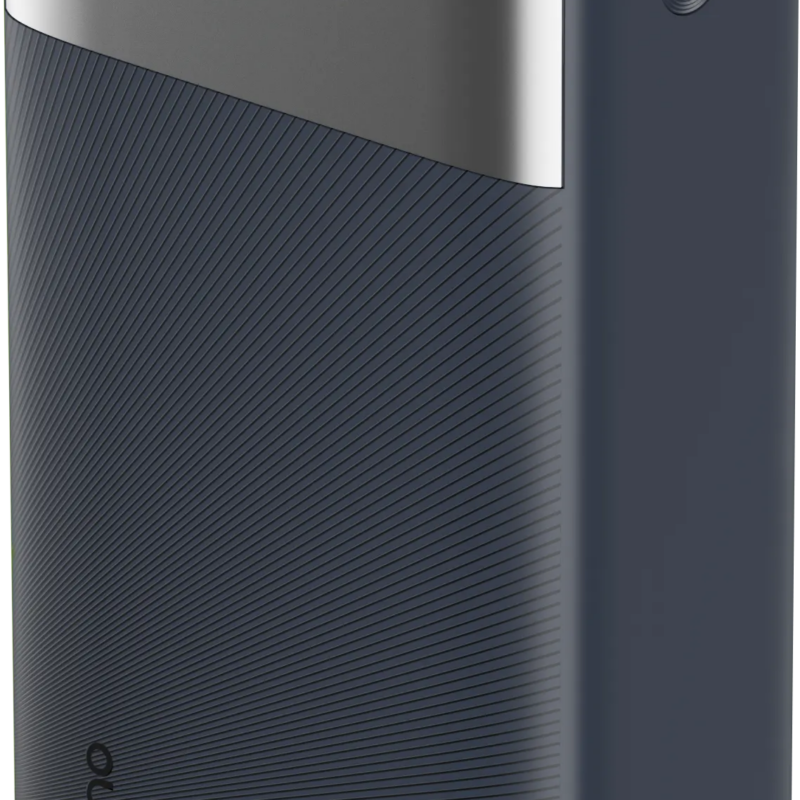
27,000mAh power bank with 22.5W charging and USB-C and USB-A, suited to portable backup power for phones, tablets and everyday accessories.

10,000mAh power bank with 12W charging and Three built-in cables and USB-A, suited to portable backup power for phones, tablets and everyday accessories.

10,000mAh power bank with 22.5W charging and Built-in cables and USB-A, suited to portable backup power for phones, tablets and everyday accessories.

10,000mAh power bank with 15W charging and USB-C and USB-A, suited to portable backup power for phones, tablets and everyday accessories.

10,000mAh power bank with 22.5W charging and USB-C and USB-A, suited to portable backup power for phones, tablets and everyday accessories.

20,000mAh power bank with 12W charging and USB-C and USB-A, suited to portable backup power for phones, tablets and everyday accessories.

20,000mAh power bank with 12W charging and Four built-in cables, suited to portable backup power for phones, tablets and everyday accessories.
No products in the cart.