
Amazfit Active 2
KSh15,999.001.32-inch AMOLED, Bluetooth, built-in GPS, Up to 10 days typical and 5ATM for fitness-focused users seeking AMOLED, GPS and long battery life.
Wearable technology includes smartwatches, fitness trackers, smart bands, sports watches and other connected devices designed to be worn throughout the day.
Wearables can display phone notifications, record workouts, monitor daily activity, track sleep and provide convenient access to selected smartphone functions. The exact features depend on the device, operating system and connected phone.
Common wearable brands available in Kenya include:
Wearable devices vary considerably in price and capability. A basic fitness tracker may concentrate on steps, heart rate, sleep and workout records, while a premium smartwatch may support downloadable applications, voice assistants, contactless payments, advanced navigation and cellular connectivity.
When comparing wearable technology in Kenya, check:
Smartwatches and fitness trackers overlap, but they are not always intended for the same user.
A smartwatch generally has a larger display and more phone-connected features. Depending on the model, it may support calls, messages, downloadable applications, music controls, navigation, voice assistants or mobile payments.
A fitness tracker is usually smaller, lighter and less expensive. It primarily concentrates on activity, exercise, heart rate, sleep and daily movement goals.
Customers who mainly want step counting, sleep information and basic workout records may not need a full smartwatch. Customers who want a larger display, richer notifications, calling or application support should consider a smartwatch.
Compatibility should be checked before ordering.
Apple Watch models are designed for iPhone users and should not be purchased for use with an Android phone.
Samsung Galaxy Watch and Wear OS watches are mainly designed for Android phones. Some health and ecosystem features may work best when the watch is paired with a compatible Samsung Galaxy device.
Huawei, Amazfit, Redmi, Xiaomi, Garmin, CMF and Oraimo wearables commonly use their own companion applications. Compatibility varies by model, phone operating system and application version.
Do not assume that every feature shown on a watch will be available in Kenya. Contactless payments, cellular service, voice assistants, ECG features and other services may be restricted by region, network or phone model.
Wearables can help users record daily movement and maintain consistent exercise routines.
Common tracked activities include:
Recorded measurements should be treated as general wellness information. Consumer wearables can produce different results depending on fit, movement, skin contact and the manufacturer’s algorithms. They should not be treated as a replacement for professional medical diagnosis.
Battery life is one of the largest differences between wearable devices.
Feature-rich watches running watchOS or Wear OS may require charging every one or two days, depending on usage. Watches using lighter operating systems may last several days or more than a week.
Fitness trackers often provide longer battery life because they have smaller displays and fewer power-intensive applications.
Battery duration is affected by:
Always check whether the charger is included. Many wearables use proprietary charging cables that cannot be easily replaced with a normal phone charger.
Water resistance does not mean that every wearable is suitable for all water activities.
A 5ATM rating commonly indicates that a device is designed to withstand water pressure equivalent to a depth of 50 metres under controlled testing. However, this does not automatically make it suitable for diving, high-pressure water or hot showers.
An IP68 rating generally indicates resistance to dust and limited water immersion under specified test conditions. The exact conditions vary by manufacturer.
Check the manufacturer’s instructions before using a wearable for swimming or water sports.
| Wearable type | Approximate price range |
|---|---|
| Basic smart bands | KSh 3,000–KSh 8,000 |
| Entry-level smartwatches | KSh 5,000–KSh 12,000 |
| Mid-range smartwatches | KSh 12,000–KSh 30,000 |
| Premium smartwatches | KSh 30,000–KSh 75,000 |
| Running and multisport watches | KSh 35,000–KSh 100,000+ |
Wearable prices in Kenya vary according to brand, display technology, GPS support, operating system, battery life, build quality and health-tracking capabilities.
Before ordering, confirm:
Browse available wearable technology above to compare smartwatches, fitness trackers, features and current prices.
Showing all 15 results

1.32-inch AMOLED, Bluetooth, built-in GPS, Up to 10 days typical and 5ATM for fitness-focused users seeking AMOLED, GPS and long battery life.

1.91-inch TFT LCD, Bluetooth calling, GPS, Up to 10 days typical and IP68 for budget everyday users needing a large display, calls and GPS.
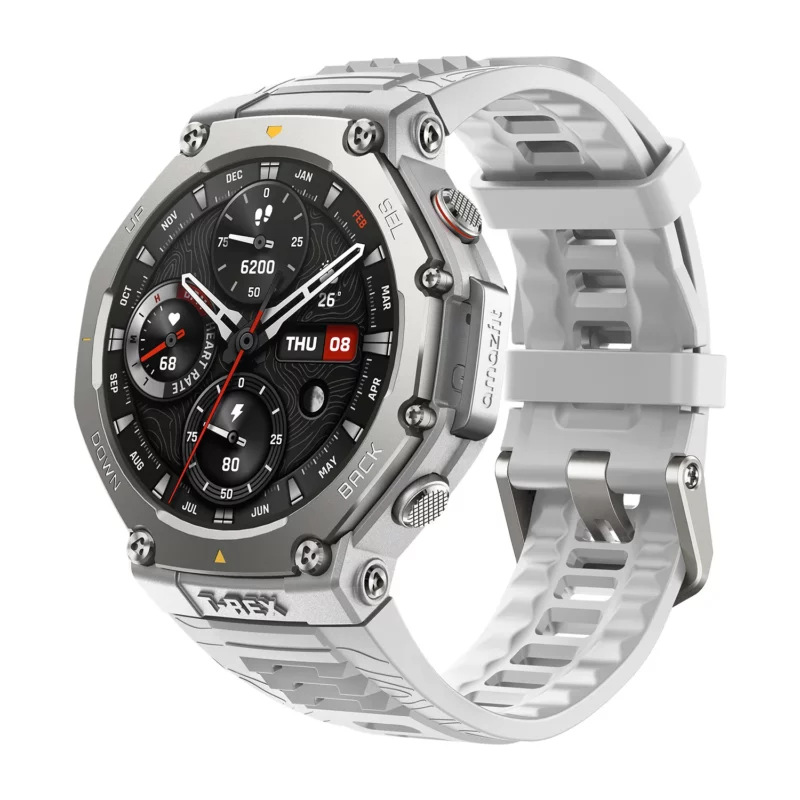
1.5-inch AMOLED, Bluetooth, dual-band GPS, offline maps, Up to 27 days typical and 10ATM for outdoor, hiking and rugged sports users.

40mm LTPO OLED Retina, Bluetooth 5.3, Wi-Fi, GPS, NFC, Up to 18 hours and 50m water resistant for entry-level Apple smartwatch buyers, notifications and fitness tracking.
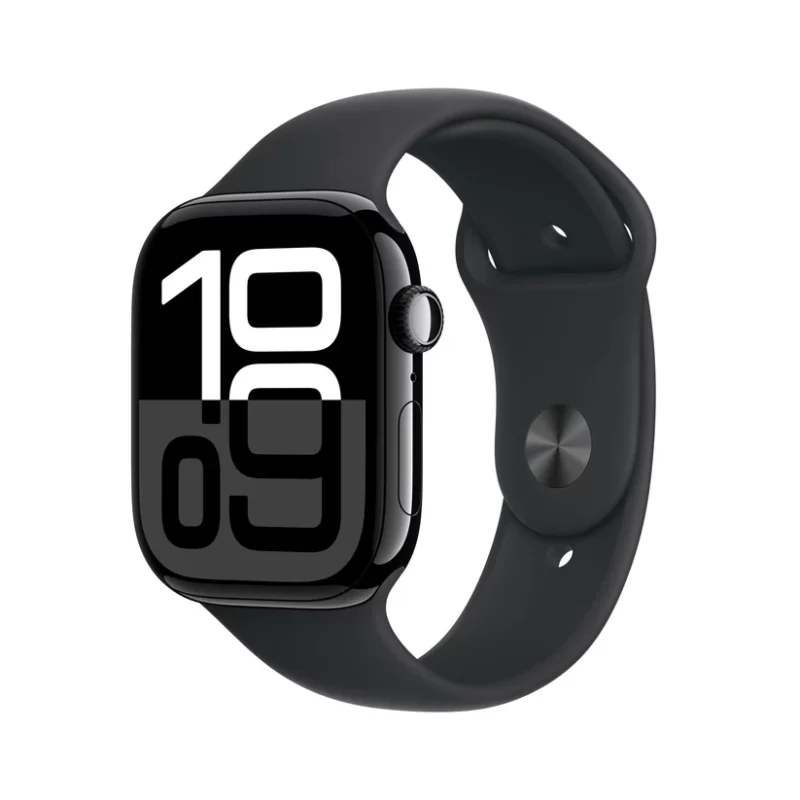
42mm LTPO3 OLED Retina, Bluetooth 5.3, Wi-Fi 4, GPS, NFC, Up to 18 hours and 50m water resistant; IP6X dust resistant for premium iPhone users, health tracking and everyday productivity.

1.32-inch AMOLED, Bluetooth calling, multi-system GPS, Up to 11 days typical and IP68 for style-conscious budget users wanting AMOLED and GPS.

1.2-inch AMOLED, Bluetooth, ANT+, Wi-Fi on Music edition only, GPS, Up to 11 days smartwatch mode and 5ATM for runners needing structured training, GPS and recovery metrics.

1.4-inch AMOLED, Bluetooth, ANT+, Wi-Fi, GPS, NFC market-dependent, Up to 14 days smartwatch mode and 5ATM for premium wellness, fitness and everyday smartwatch users.

1.82-inch AMOLED, Bluetooth calling, GNSS, Up to 10 days maximum and 5ATM for students and everyday users wanting a lightweight large-screen fitness watch.

1.43-inch AMOLED, Bluetooth, NFC market-dependent, GNSS, Up to 14 days maximum and 5ATM and IP69K for long-battery everyday fitness and wellness tracking.
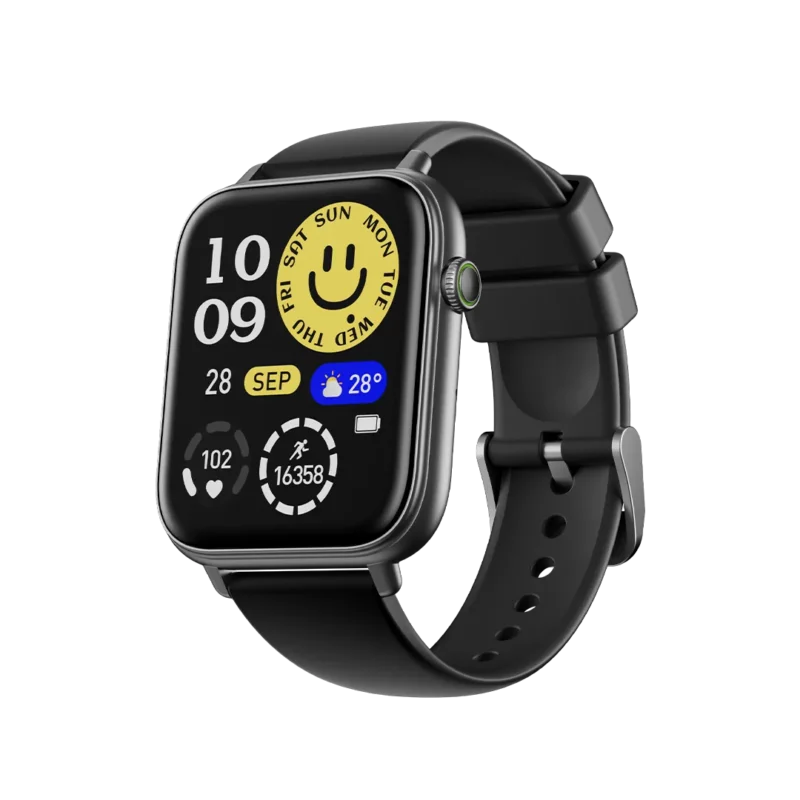
2.01-inch TFT, Bluetooth calling, Manufacturer-rated long battery; verify exact figure and IP68 for entry-level users needing Bluetooth calls and everyday tracking.

2.0-inch LCD, Bluetooth calling, 470mAh; up to 18 days typical and 5ATM for budget buyers wanting calls, notifications and basic activity tracking.

1.47-inch Super AMOLED, Bluetooth 5.3, Wi-Fi, NFC, GPS, 425mAh and 5ATM and IP68 for business and premium Android users who prefer a traditional watch design.

1.47-inch Super AMOLED, Bluetooth 5.3, dual-band Wi-Fi, NFC, GPS, 425mAh and 5ATM and IP68 for Android users needing health, fitness and smart-app features.

1.43-inch AMOLED, Bluetooth 5.2, Wi-Fi, NFC, dual-band GNSS, 495mAh; up to 65 hours typical and 5ATM for Android users needing Wear OS apps, GPS and fitness features.
No products in the cart.