
Infinix Hot 50i 128GB
KSh14,900.00MediaTek Helio G81, 4GB RAM, 128GB storage, 6.7-inch HD+ 120Hz, 48MP rear camera and a 5000mAh battery for calls, apps, study and everyday entertainment.
A good student phone should support learning, communication, mobile payments and entertainment without being unnecessarily expensive.
Students commonly use smartphones for:
The cheapest phone is not always the most economical choice. A device with very limited RAM, storage or battery life may become slow or require replacement sooner than a slightly better-equipped model.
When comparing student phones in Kenya, check:
For basic calls, messages and light browsing, 3GB RAM may work. However, 4GB is a more practical starting point for students who use several applications during the day.
A student may switch between:
Limited RAM can cause applications to reload frequently when switching between them.
As a general guide:
Virtual RAM should not be confused with installed physical RAM. Always check the phone’s actual RAM specification.
A 64GB phone may be sufficient for essential applications and documents, but available space reduces after the operating system and pre-installed applications are taken into account.
A 128GB model is better suited to students who save:
Memory-card support is useful for documents, photos and media. However, some applications still need to remain in the phone’s internal storage.
Students who plan to keep a phone for several years should consider 128GB where affordable.
A student phone may need to last through lectures, commuting, research and evening communication.
A battery rated at 5,000mAh or more is a useful starting point, although actual endurance depends on:
Fast charging can be useful when there is limited time between classes. Check both the supported charging wattage and whether the necessary charger is included.
A compatible power bank may also be useful for students who spend long periods away from a wall socket.
A large screen can make PDFs, school portals, presentations and videos easier to view.
Most affordable student phones now use displays of approximately 6.6 inches or larger. This is useful for reading, but students should also consider how comfortable the phone is to carry and hold.
Important display factors include:
A 90Hz or 120Hz screen can make scrolling feel smoother. However, resolution and brightness may matter more for reading documents.
Students who regularly need a larger workspace should compare student tablets and laptops for students.
A student phone does not require a professional camera, but it should be able to:
The front camera is important for online lessons and video meetings. Rear-camera megapixels alone do not guarantee image quality, so also consider focus speed, processing and low-light performance.
Document-scanning applications can improve contrast and straighten photographed pages.
A 4G phone is sufficient for messaging, browsing, online classes and most streaming.
A 5G phone may be useful for students who:
However, buyers should not sacrifice RAM, storage or battery life solely to obtain 5G. A better-equipped 4G device may provide a stronger overall experience at the same price.
The phones under 20K category is a practical place to start when shopping on a controlled budget.
Models in this range can include:
Before buying, compare the exact configuration rather than relying only on the model name. The same phone can be sold with different RAM and storage capacities.
Students may also need:
Browse phone chargers, charging cables, wireless earbuds and power banks for compatible accessories.
For most students, a balanced phone should have:
Consider the student’s actual course and daily use. A student studying graphic design, media production or software development may have different needs from someone primarily using messaging, documents and school portals.
Browse the available student phones above to compare current prices, memory, storage, battery capacity, screen size and network support.
Showing all 5 results
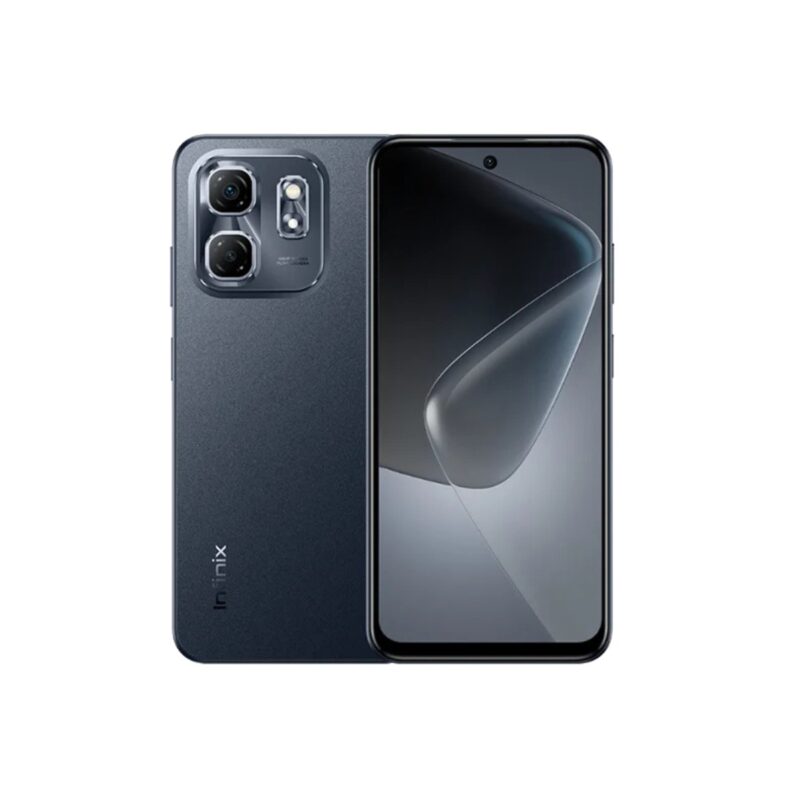
MediaTek Helio G81, 4GB RAM, 128GB storage, 6.7-inch HD+ 120Hz, 48MP rear camera and a 5000mAh battery for calls, apps, study and everyday entertainment.
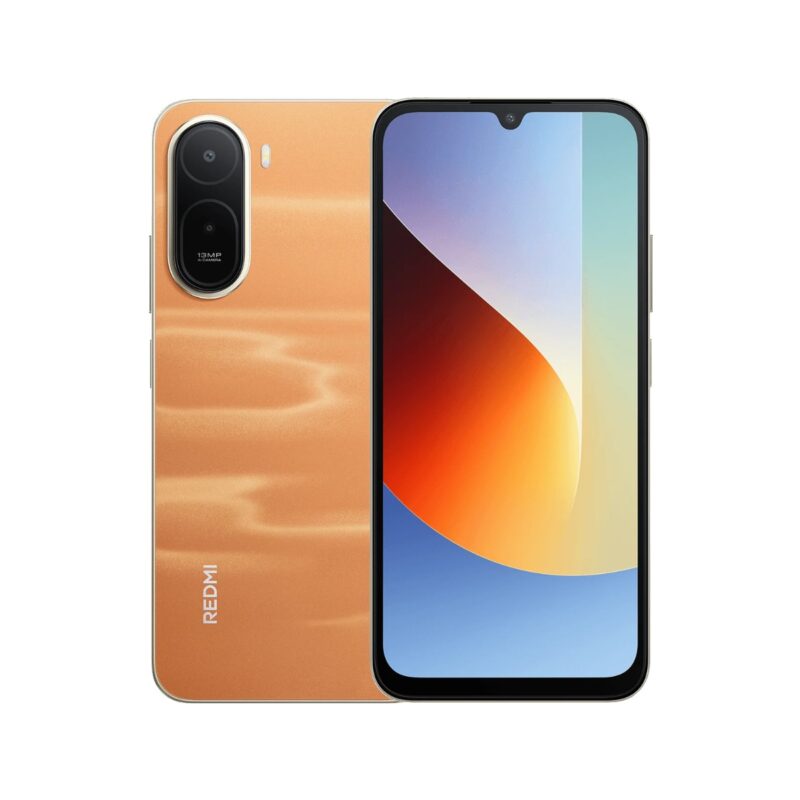
Octa-core processor, 4GB RAM, 128GB storage, 6.88-inch HD+ 120Hz, 13MP dual rear camera and a 6000mAh battery for calls, apps, study and everyday entertainment.
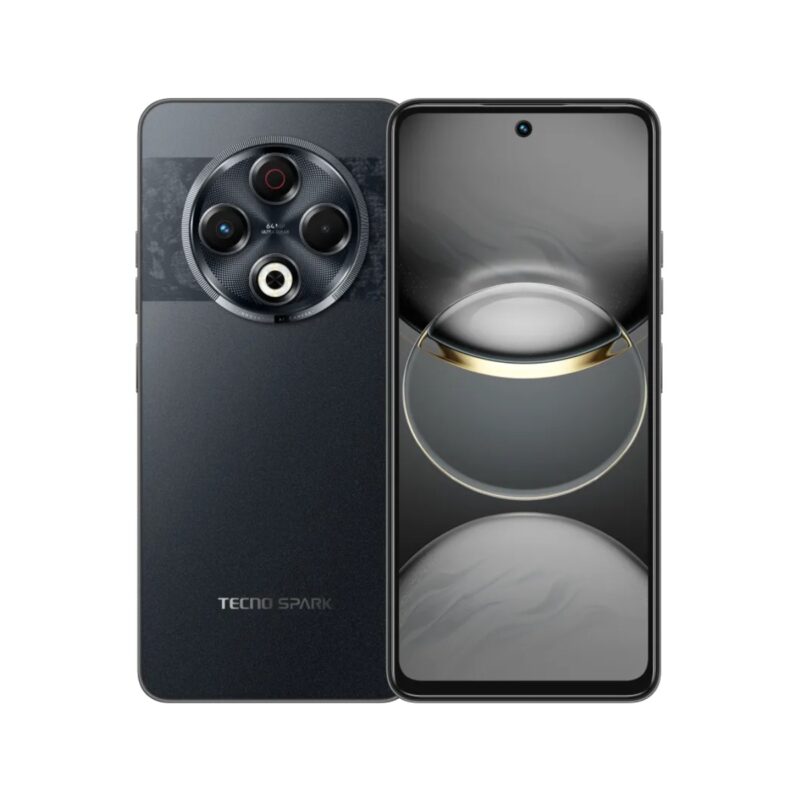
MediaTek Helio G91, 8GB RAM, 128GB storage, 6.78-inch FHD+ 90Hz IPS, 64MP rear, 13MP front and a 5000mAh battery for calls, apps, study and everyday entertainment.
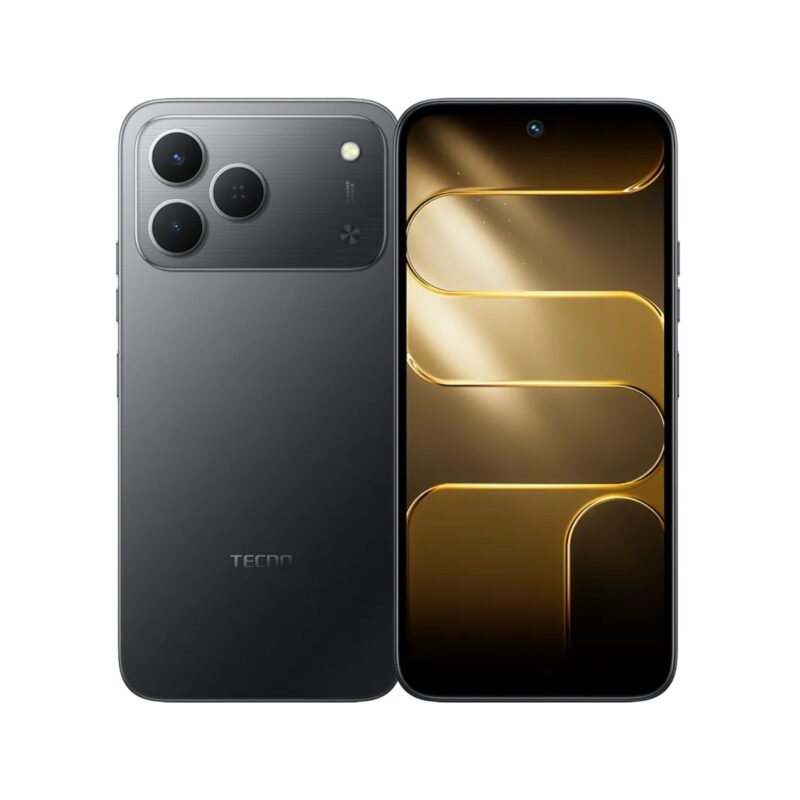
MediaTek Helio G81, 4GB RAM, 128GB storage, 6.78-inch HD+ 120Hz, 50MP rear, 8MP front and a 7000mAh battery for calls, apps, study and everyday entertainment.
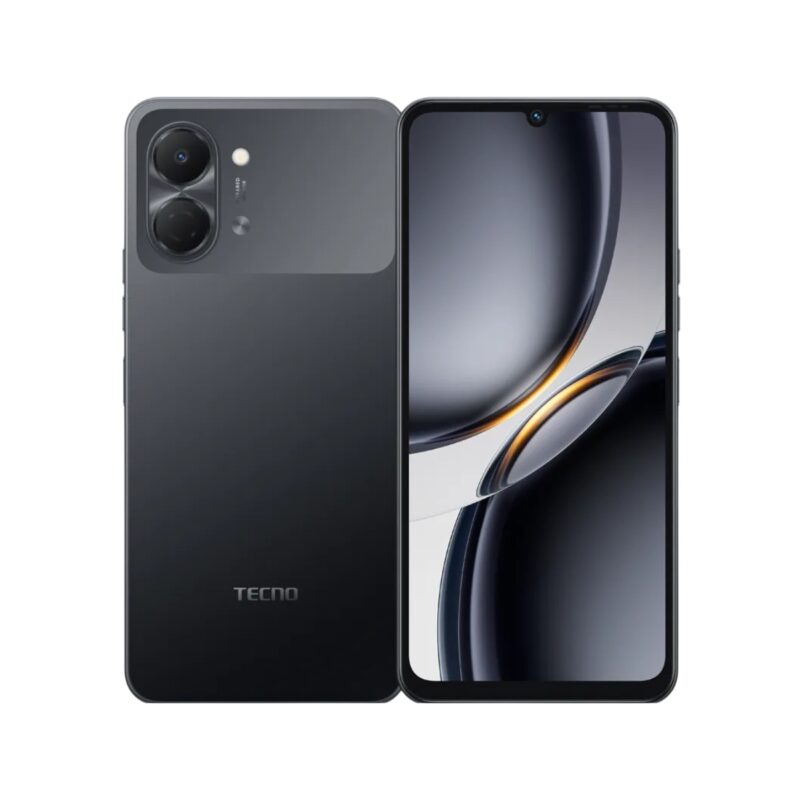
Unisoc T7250, 4GB RAM, 128GB storage, 6.75-inch HD+ 120Hz, 13MP rear, 8MP front and a 5000mAh battery for calls, apps, study and everyday entertainment.
No products in the cart.